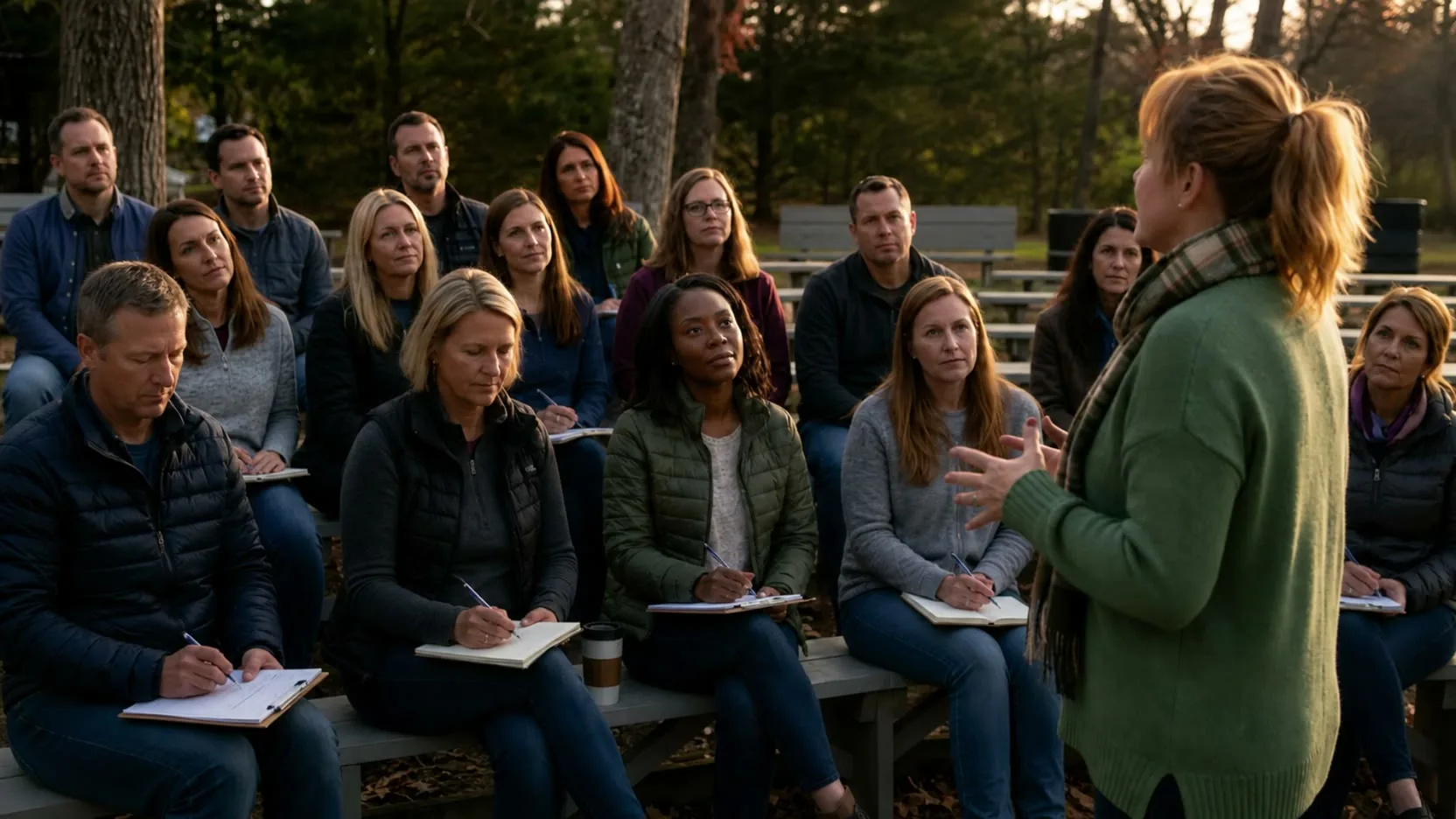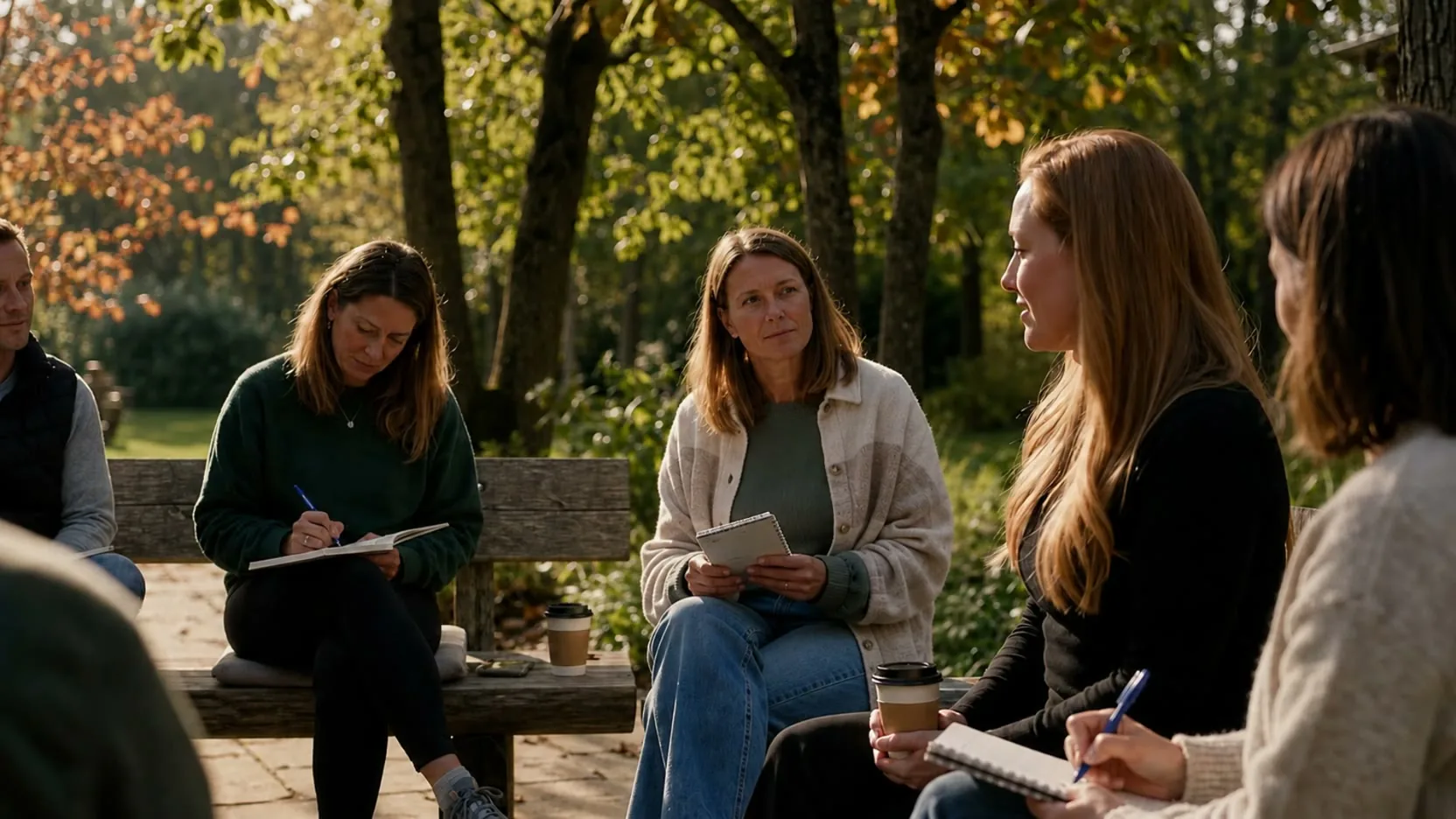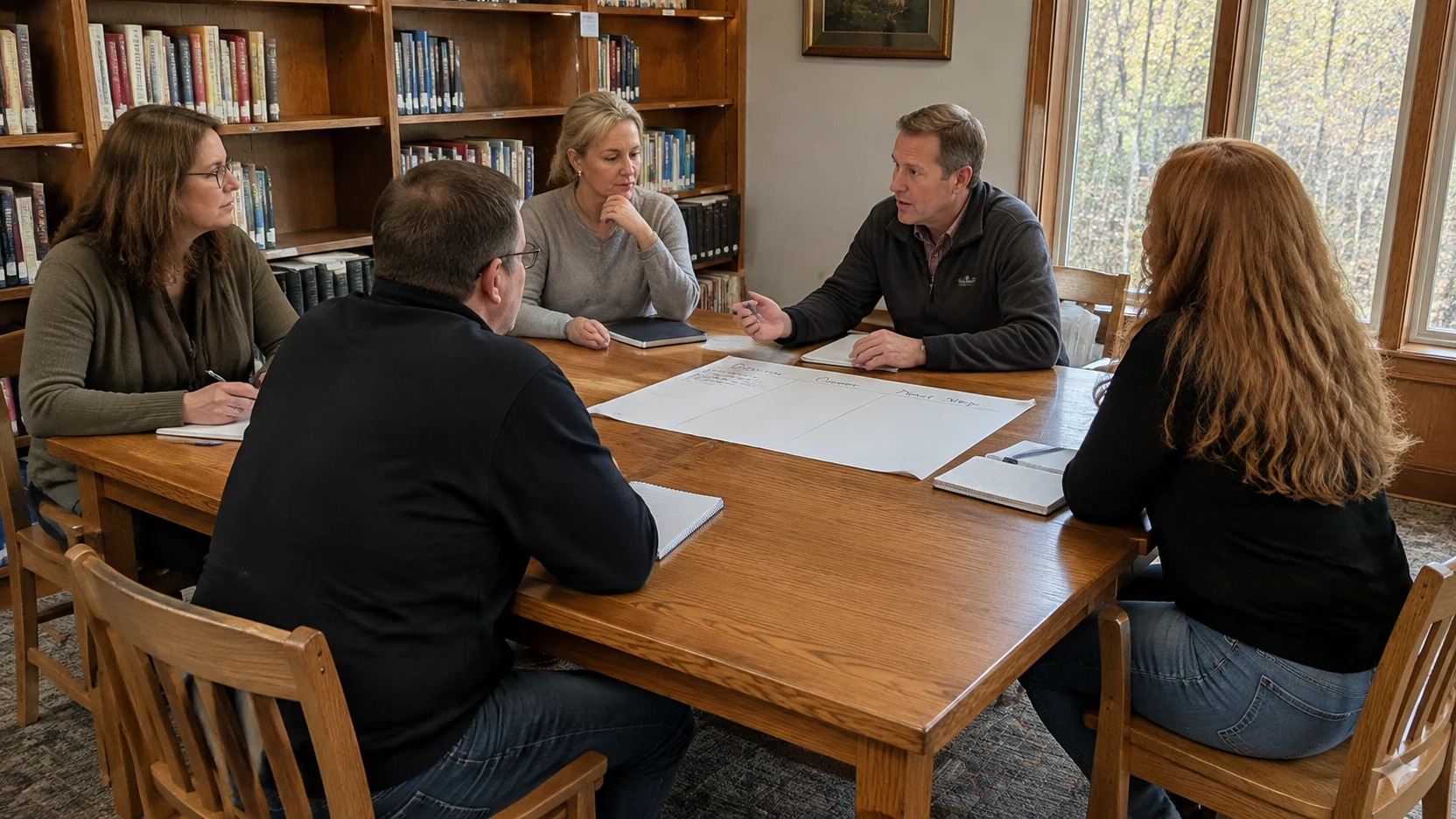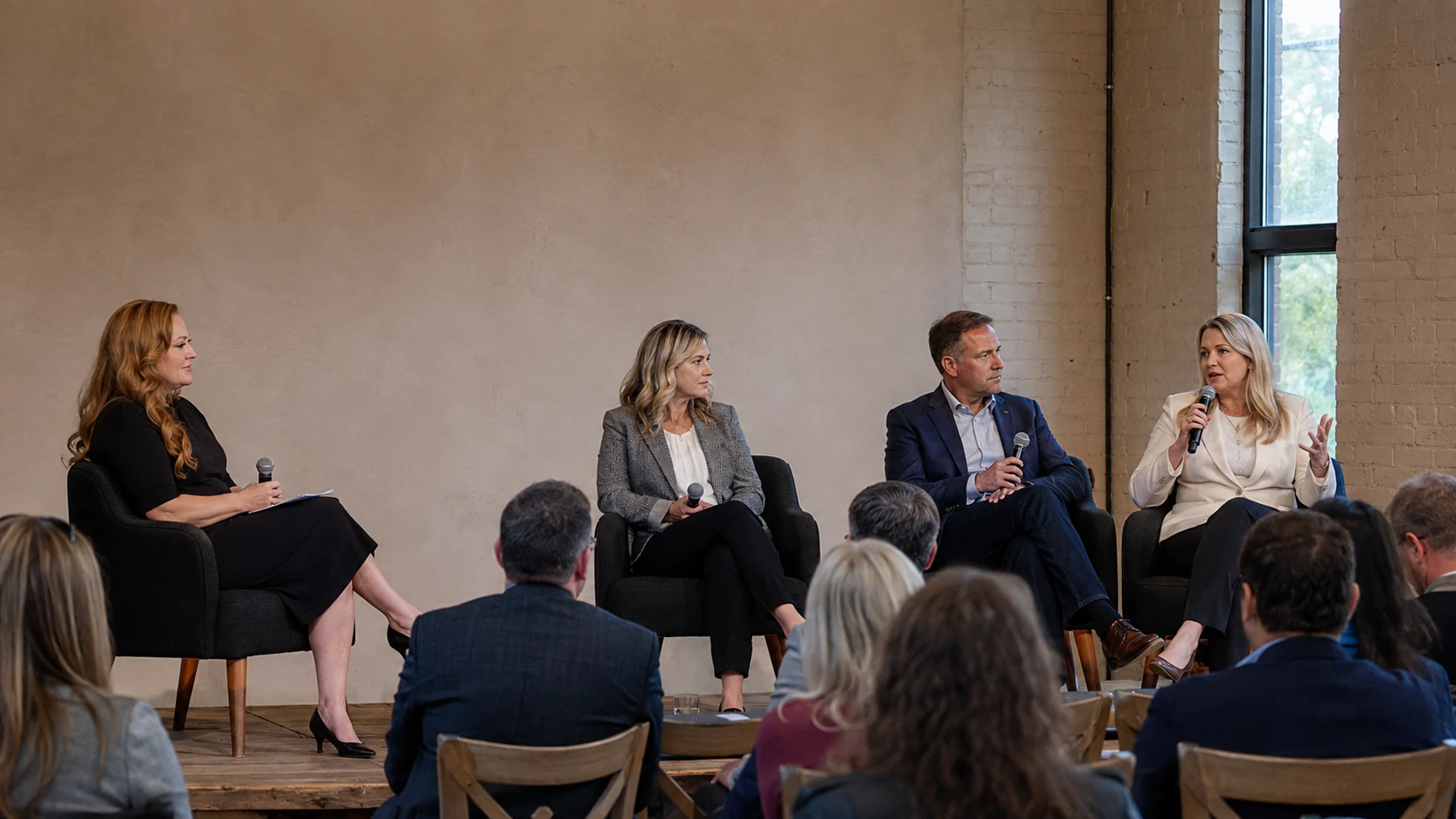
STAGE.PANEL.TABLE.CIRCLE.
Speaking & facilitation

Different settings. Same purpose.

Move the conversation somewhere that matters—with the preparation, structure, curiosity, and presence each room requires.

Ways to engage

The format changes. The standard of preparation does not.

01

Keynotes & Conference Sessions

Thoughtful talks and interactive sessions that connect ideas to the decisions and work facing the audience.

02

Panel Moderation

Research, question architecture, panelist preparation, live moderation, audience engagement, timing, and synthesis.

03

Facilitated Conversations

Socratic discussions, leadership circles, fireside conversations, and working sessions that invite depth without losing direction.

04

Workshops & Breakouts

Participatory learning designed around what people should understand, practice, decide, or do afterward.

Panel moderation

Good moderation starts long before anyone walks on stage.

The visible conversation is supported by careful research, preparation, pacing, and a clear sense of where the audience needs to go.

  1. Research the topicUnderstand the context, tensions, audience, and possibilities.
  2. Architect the questionsBuild a conversation arc rather than a list of disconnected prompts.
  3. Prepare the panelistsCreate shared expectations while preserving genuine exchange.
  4. Guide the roomManage flow, timing, audience participation, and the closing takeaway.

From a conference audience to a leadership circle of eight, the room changes. The ability to read it does not.

Presence with structure.

Strong facilitation holds the purpose, listens for what is emerging, and helps people move beyond rehearsed answers without letting the conversation lose shape.

That balance supports executive conversations, panels, workshops, retreats, and learning experiences alike.

What should the audience understand, feel, or do differently?

That outcome should shape the topic, format, preparation, and experience.

Plan an Engagement