One day
For one focused question or decision. We agree on the question beforehand and leave with written decisions, owners, and next steps.
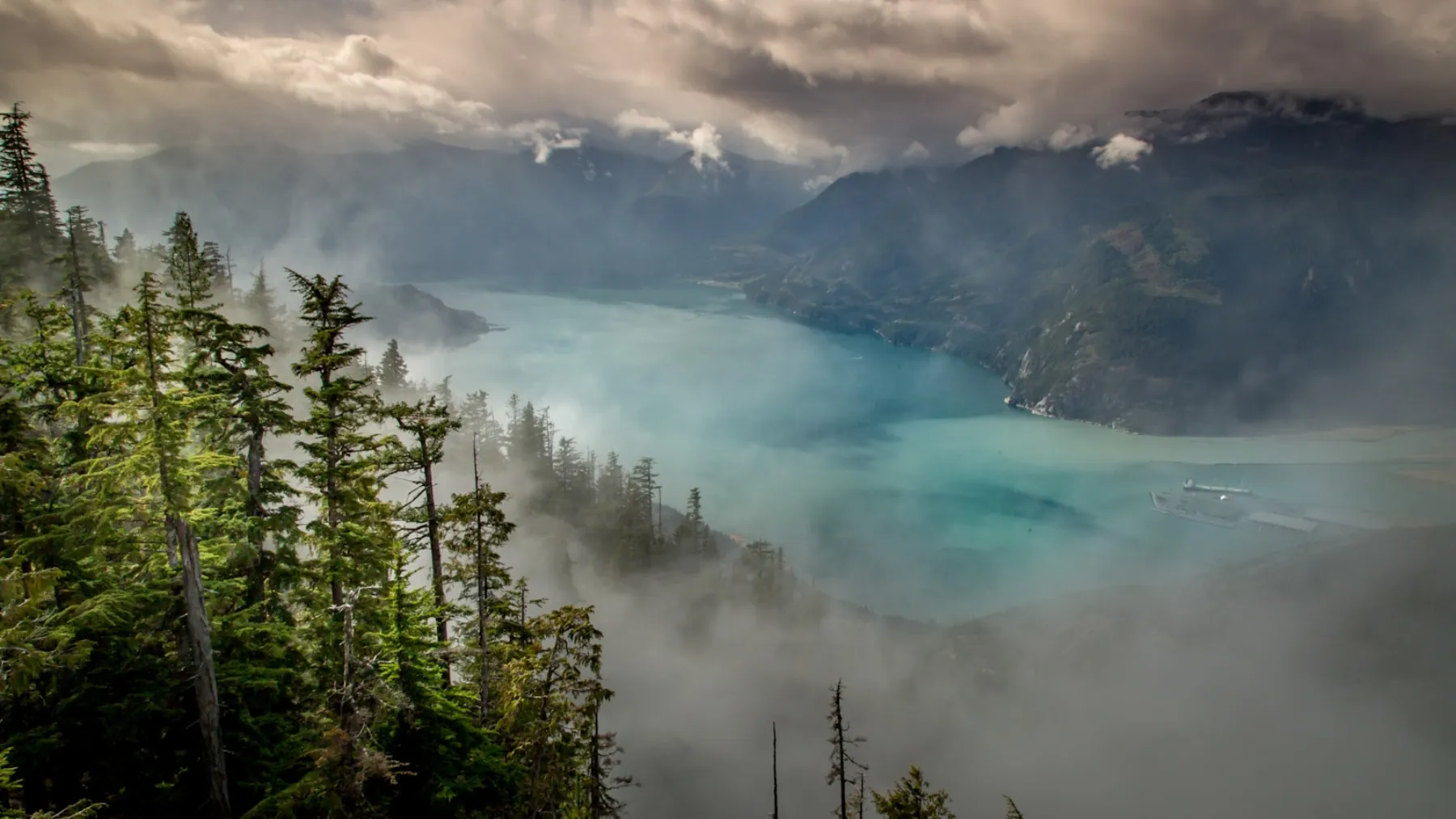
I plan and lead one-, two-, and three-day retreats for leadership teams, boards, and staff. I’m based in Indianapolis and work wherever your team meets.
Choose the time around the decision your team needs to make.
For one focused question or decision. We agree on the question beforehand and leave with written decisions, owners, and next steps.
For reconnecting and planning together. Day one hears the different perspectives; day two turns them into decisions and responsibilities.
For boards and executive teams with connected strategic decisions. More time to examine assumptions and build a plan for the months ahead.
Every format includes preparation, a written summary within the week, a North Star Priorities dashboard, and two follow-up sessions. Fees depend on design time, days on site, and travel. Venue and catering are arranged separately with the property.
I’m based in Indianapolis and travel to where your team meets.
Six to twenty-five people works well for in-depth discussion. For larger staff groups, I adapt the agenda and how people participate.
Allow six to eight weeks where possible. Boards and three-day retreats benefit from closer to twelve weeks for participant input and agenda preparation.
The retreat is in person. Planning calls and the two follow-up sessions are usually online. Bring a venue you know, or I can suggest options.
One day works for a focused decision. Two or three days give us more time to hear from everyone and work through connected questions.
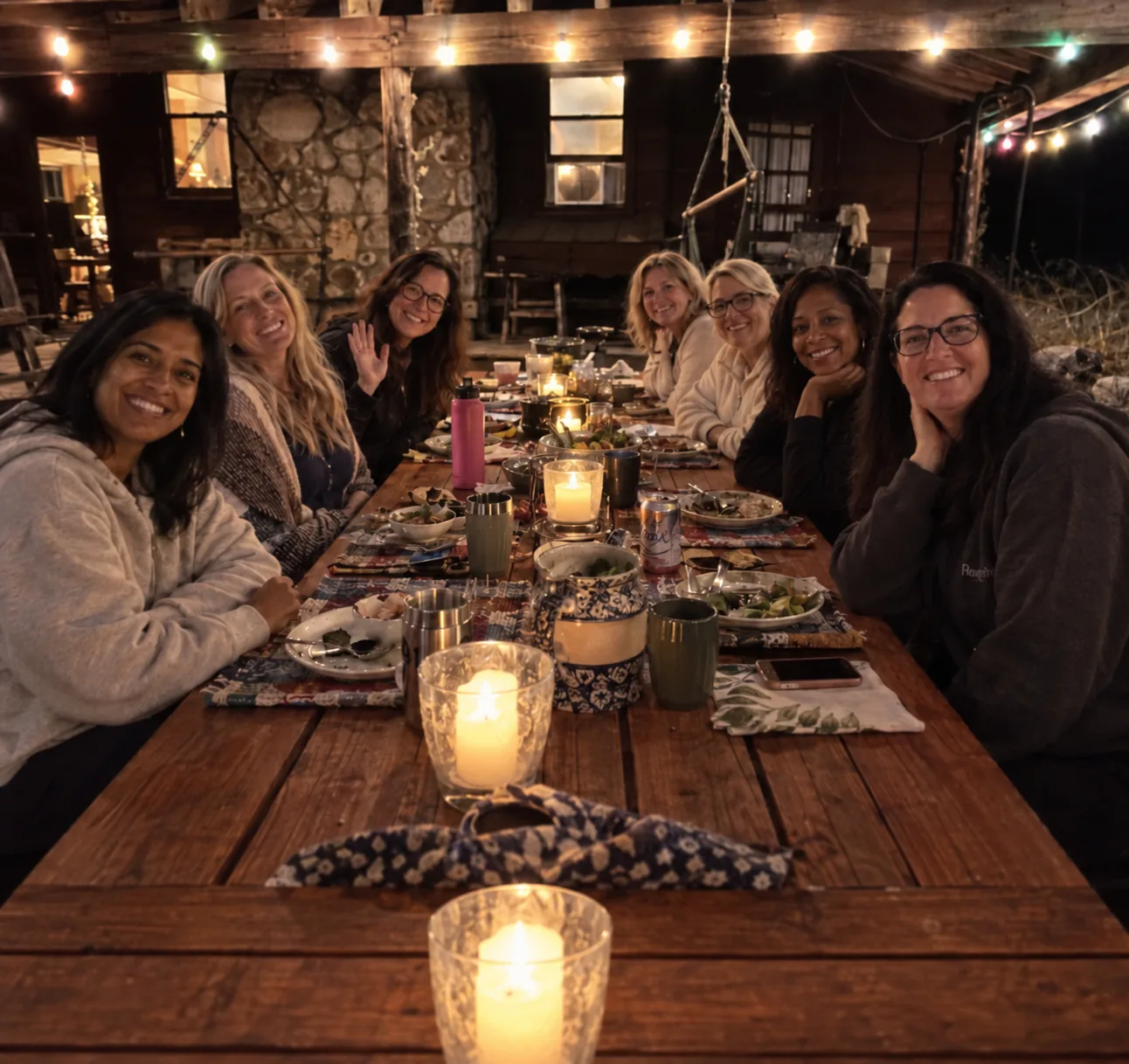
I help your team work through one question, agree on a decision, and write down what happens next. The planning conversation and participant survey help us use the day well.
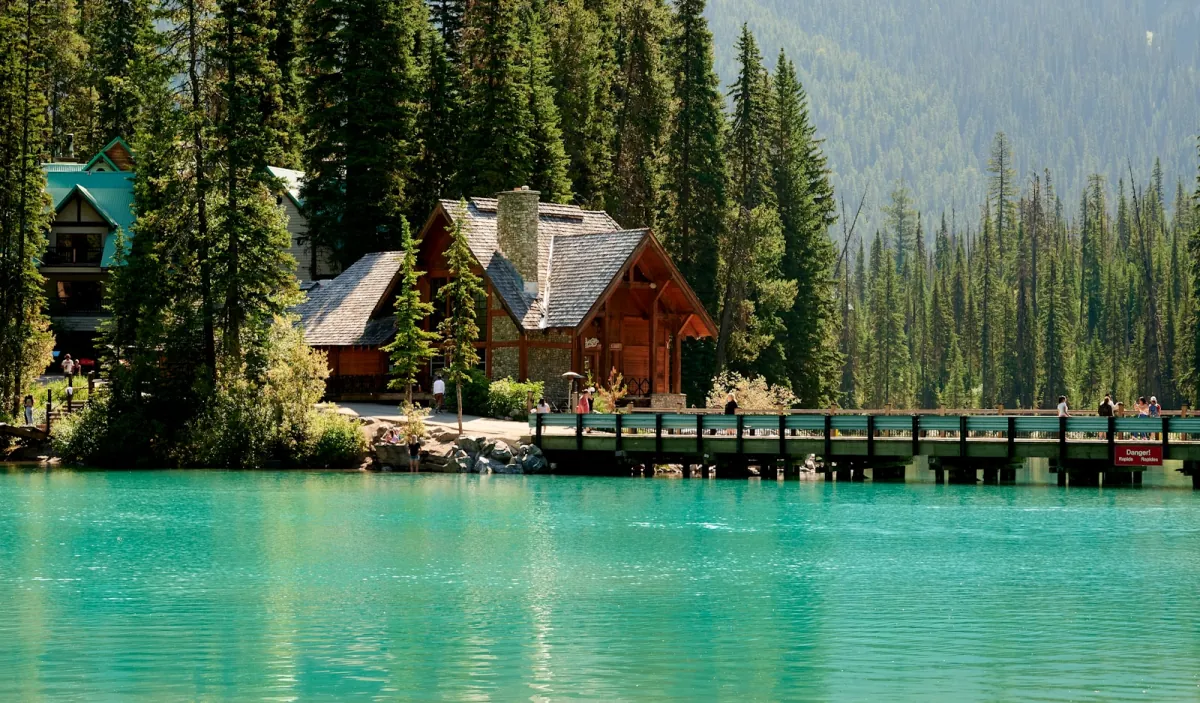
Two days give us time to understand what is happening, hear from everyone, and return to the question after a walk or a shared meal. We use the second day to make decisions.
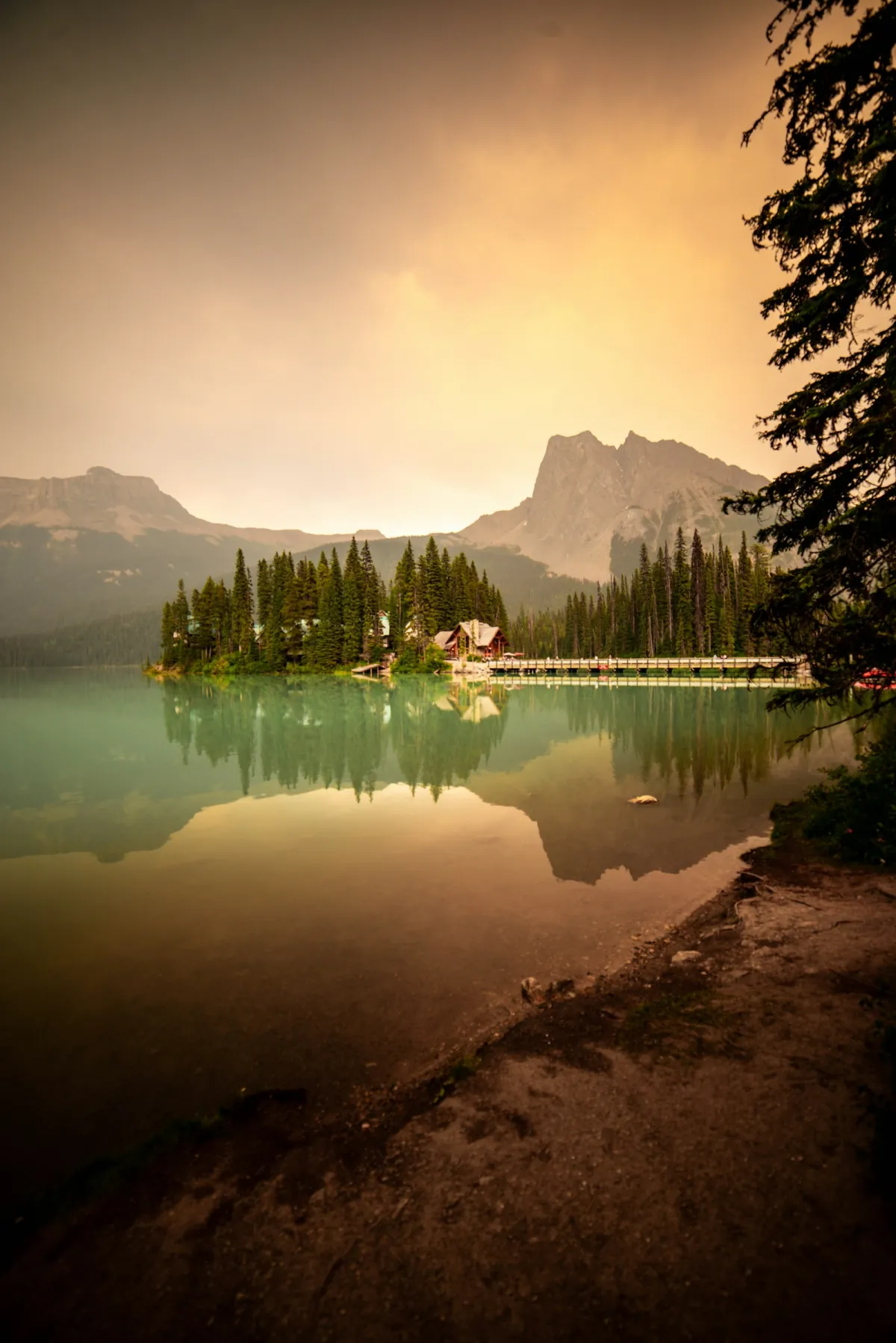
For boards and executive teams with several connected decisions to make, three days let us work through the detail and revisit assumptions before committing to a plan.
For a leadership team that needs to agree on priorities and how to work together. I adapt the questions, timing, and activities after hearing from your leaders and everyone attending.
A planning conversation defines the decision and who can make it. The participant survey helps me find the questions people want time for. I use both to shape the agenda and a short preparation brief.
8:30 am–4:30 pm · Optional dinner at 6:30 pm
Name the question we need to answer, who will make the final call, and how we will handle disagreement. Everyone has a chance to say what would make these two days worthwhile.
I bring themes from the participant survey. Quiet writing comes before discussion, so the first voice in the room does not set the whole conversation.
Use specific examples to explore where expectations, decisions, or handoffs break down. Separate what happened from our assumptions about why.
Take a walk or find a comfortable place to sit. Consider what you heard, what surprised you, and what you may need to reconsider. Bring back only what you agree to share.
Turn the morning’s themes into options. Name the tradeoffs, dependencies, and information each option needs. Keep differences visible instead of rushing to agreement.
Compare the options. Write down where the team agrees, where it does not, and what needs another look overnight.
An unhurried meal. No presentation, activity, or expectation to keep working.
A clear account of the issue, a short list of options, and the open questions to return to tomorrow.
8:30 am–3:00 pm
Note what changed after a night away. Reopen an assumption if it needs attention before we make decisions.
Work through a likely pressure point: a budget cut, a busy month, or a key person being unavailable. Ask what each option would require and what would have to stop.
Use the decision process we agreed on. Choose the priorities, record the tradeoffs, and name what we are setting aside. If a decision needs more evidence, assign someone to get it.
Translate the discussion into working agreements for meetings, handoffs, and raising concerns. Use examples from an ordinary week to check that everyone understands them the same way.
For each priority, name an owner, the first step, and a review date. Check capacity and dependencies before committing. I help the team organize this in its North Star Priorities dashboard.
Ask each owner to explain what happens next. Resolve different interpretations, confirm who will tell the rest of the organization, and put the first progress review on the calendar.
Written decisions, working agreements, and a first 90-day plan with owners and review dates.
Within the week, I send a written summary of the decisions and remaining questions. Your North Star Priorities dashboard keeps responsibilities visible. We use the two included follow-up sessions to review progress and address what is getting stuck.
At CEDIA, I worked with executive leadership and the board on strategy, resources, and investment. I bring that experience to the questions your group needs to resolve.
As Senior Vice President of Education and Training, I connected global education and workforce priorities with operational planning. That experience informs how I help your team consider capacity and tradeoffs.
The sample retreat agenda shows how discussion becomes written decisions, working agreements, and a first 90-day plan.
Bring a venue you already know, or I can help you find one.
The venue should make it easy for people to spend time together and step away when they need a break.
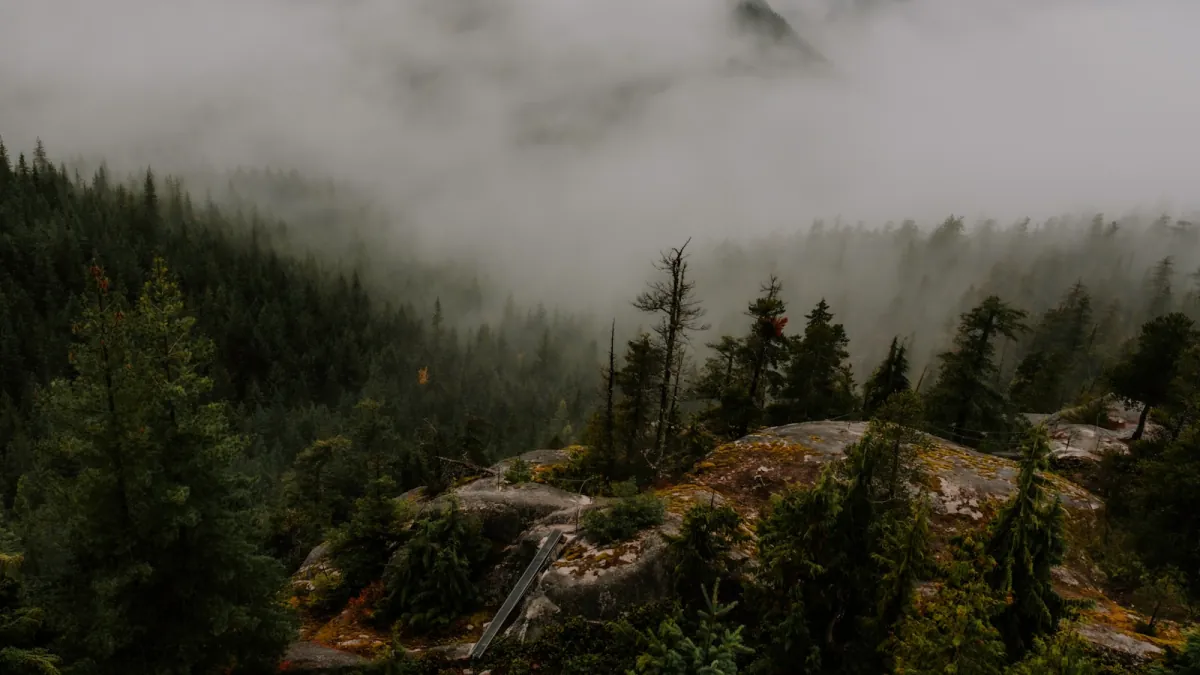
The British Columbia photographs are examples of settings we can consider. Venue and catering are arranged with the property.
Six to eight weeks is comfortable. Boards and three-day retreats need closer to twelve so there is time for the survey and the agenda drafts. If you are in a hurry, ask. Sometimes it works.
Six to twenty-five is the sweet spot for depth. For larger staff groups, I adapt the agenda and how people participate.
The retreat itself should be in person. Planning calls and the two follow-up sessions are usually online, and that works well.
Either. Bring a place you love or I will suggest a few. I coordinate with the property either way.
I scope every engagement after a first conversation, based on design time, days on site, and travel. The dashboard and the two follow-up sessions are always included. Venue and catering are arranged with the property, so you always see the whole picture.
Tell me about your group and the question you want to answer. I will help you choose the right format.
Plan a retreat